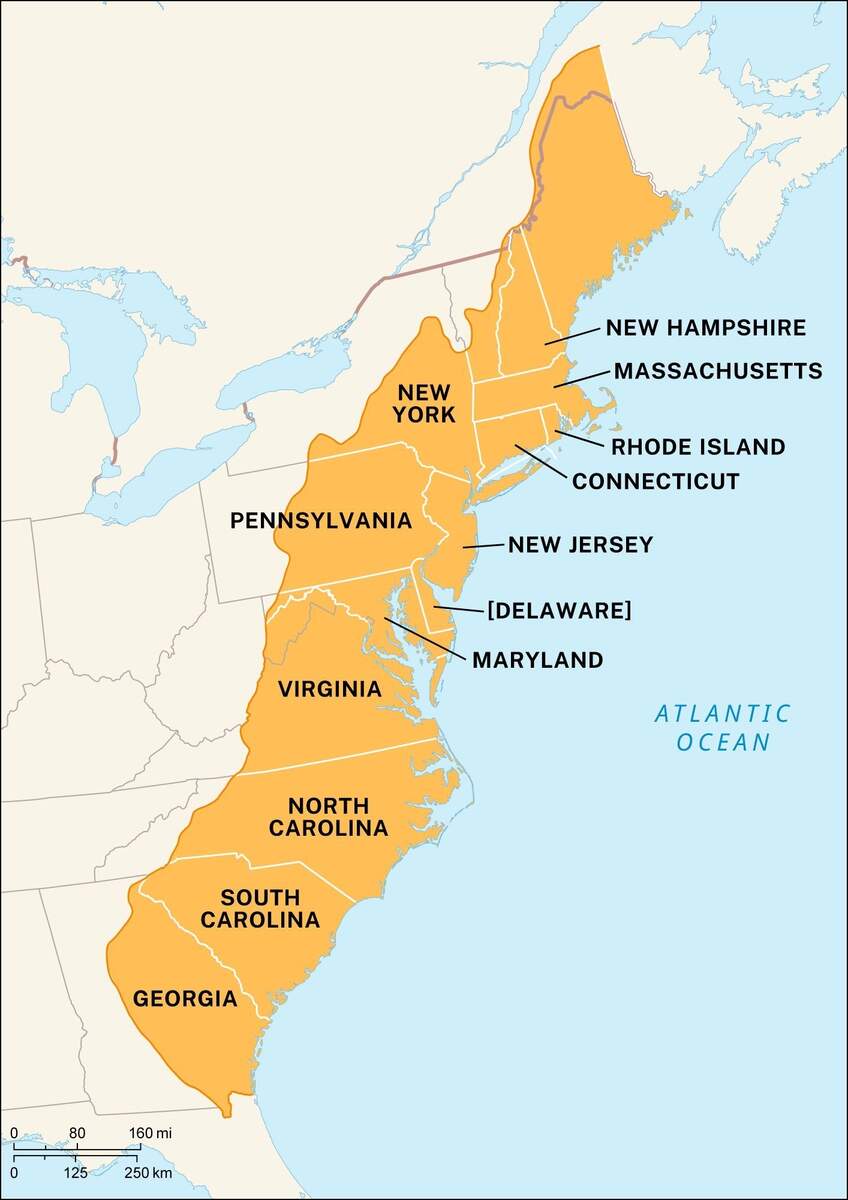
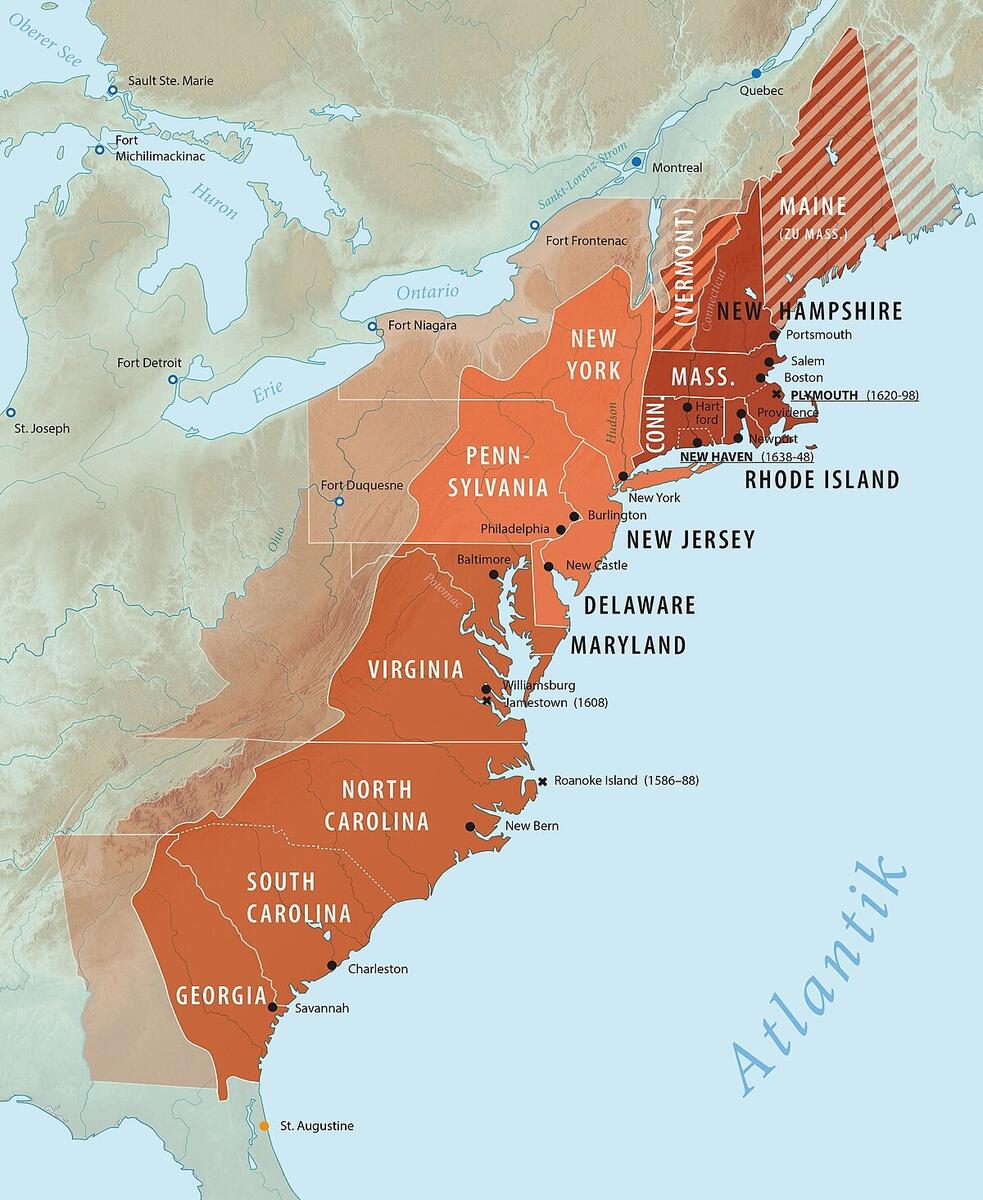
The 13 Colonies played a pivotal role in shaping the United States into the powerful nation it is today. As a fundamental part of 5th grade social studies, understanding the history and characteristics of these colonies is essential for students. The 13 Colonies were a group of British settlements established on the eastern coast of North America in the 17th and 18th centuries. They were divided into three main categories: the New England Colonies, the Middle Colonies, and the Southern Colonies. Each category had its unique features, economy, and way of life.
Studying the 13 Colonies helps students grasp the complexities of American history, including the reasons behind the colonists’ decision to rebel against British rule, leading to the American Revolution. It also provides insight into the diverse cultural, social, and economic backgrounds of the early American settlers. For 5th grade students, learning about the 13 Colonies involves exploring their geographical locations, founding purposes, and the daily lives of the people who lived there. This knowledge not only enhances their understanding of history but also fosters critical thinking and appreciation for the country’s founding principles.
13 Colonies Kids Britannica Kids Homework Help
Introduction to the 13 Colonies
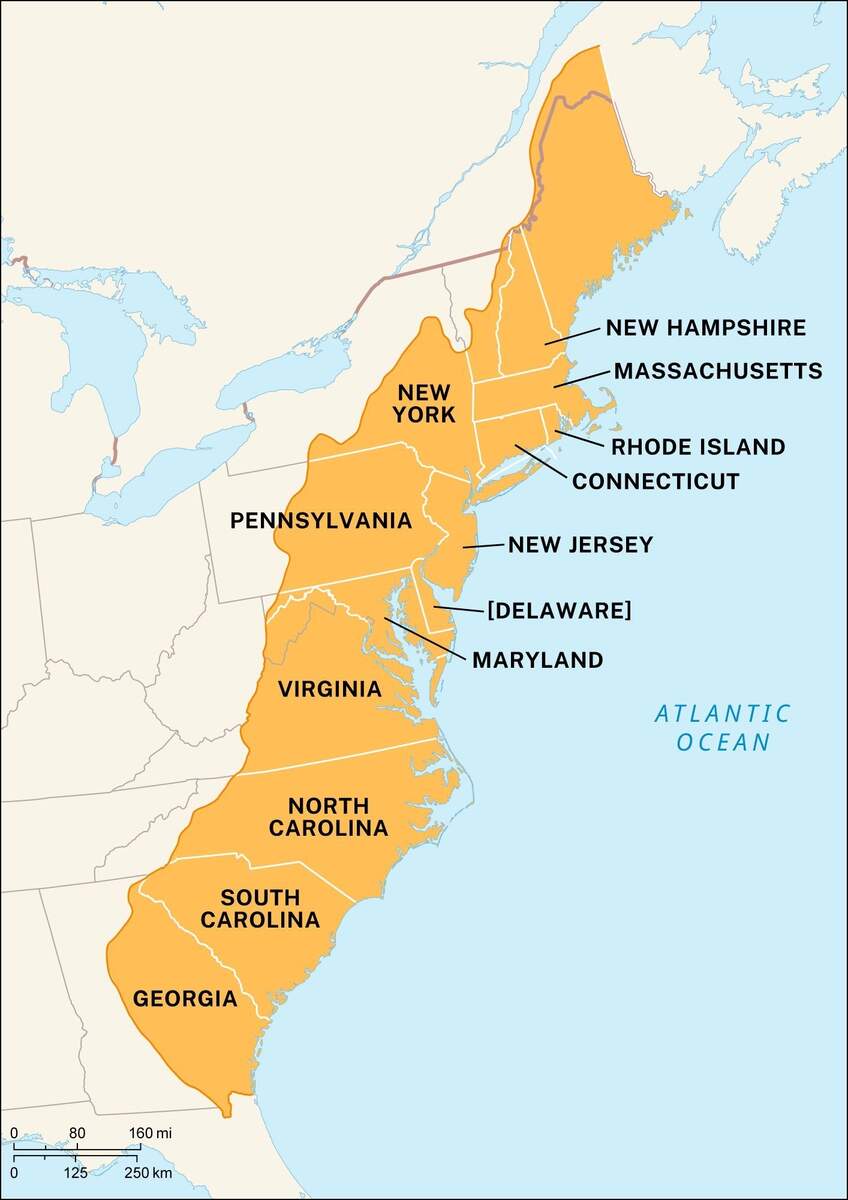
The New England Colonies, comprising Massachusetts, New Hampshire, Rhode Island, and Connecticut, were primarily established for religious freedom. The Pilgrims, who arrived in Plymouth, Massachusetts, in 1620, sought to escape religious persecution in England. These colonies were characterized by their strong maritime trade, fishing industries, and small-scale farming. The New England Colonies played a significant role in the American Revolution, with events like the Boston Tea Party symbolizing the growing resistance against British rule.
13 Colonies Kids Britannica Kids Homework Help
The New England Colonies
The Middle Colonies, including New York, New Jersey, Pennsylvania, and Delaware, were notable for their diversity and tolerance. Pennsylvania, for instance, was founded by William Penn as a haven for Quakers. These colonies served as a melting pot for various cultures and religions, contributing to their economic prosperity through trade and commerce. The Middle Colonies were also known for their fertile soil, which made them ideal for farming and agriculture, further enhancing their economic stability and growth.
The Middle Colonies
The Southern Colonies, consisting of Maryland, Virginia, North Carolina, South Carolina, and Georgia, were largely established for economic purposes. They were characterized by large plantations that relied heavily on slave labor for crops like tobacco, rice, and indigo. The climate and geography of the Southern Colonies made them suitable for such agricultural practices, which in turn contributed significantly to the colonial economy. However, the reliance on slavery also led to profound social and ethical issues that would later become central to the American Civil War.
5 Free 13 Colonies Maps For Kids The Clever Teacher
The Southern Colonies
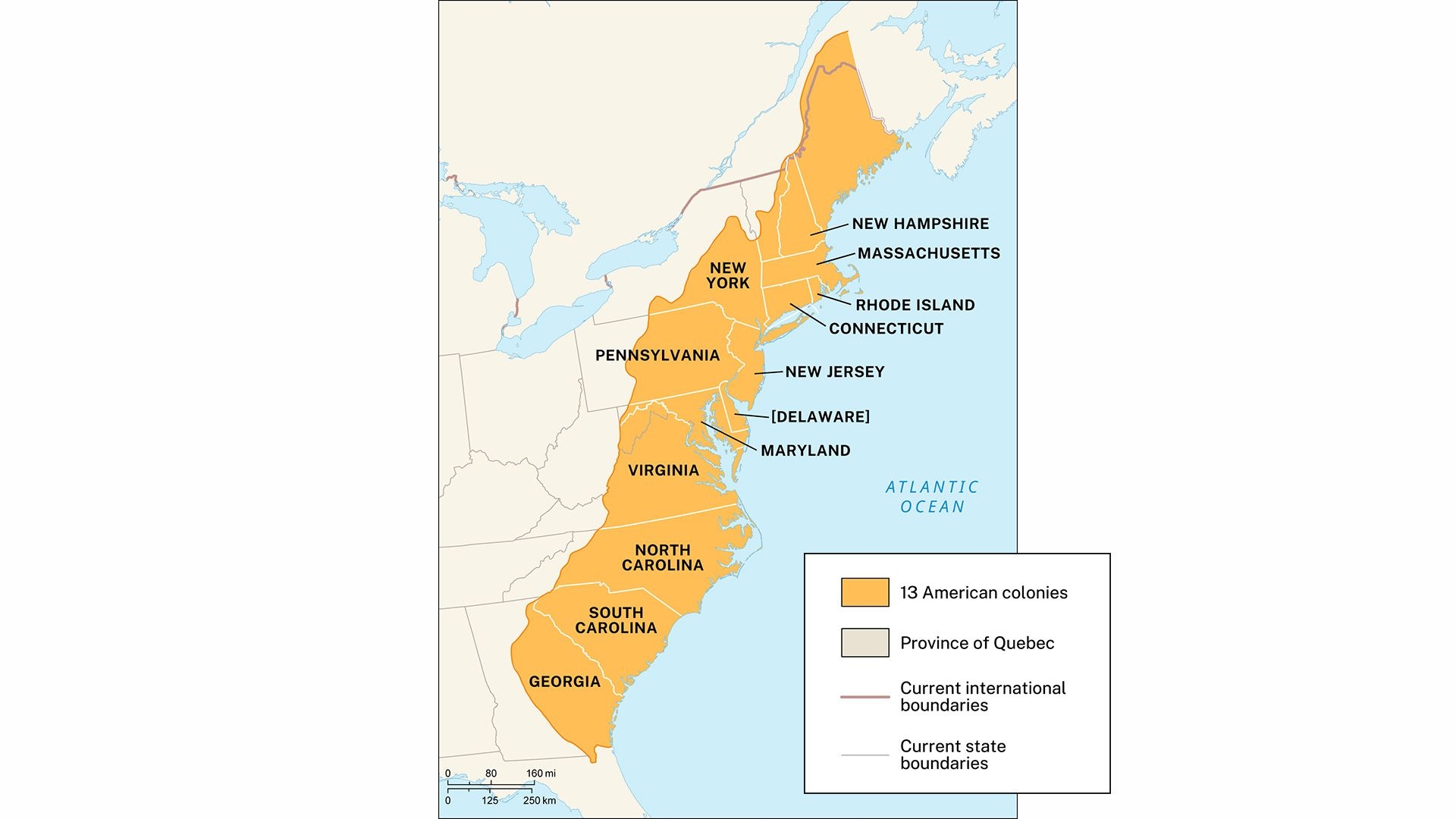
In conclusion, the 13 Colonies offer a rich and complex chapter in American history, filled with stories of resilience, diversity, and the pursuit of freedom. For 5th grade social studies students, delving into the history of these colonies not only fulfills curriculum requirements but also inspires a deeper understanding and appreciation of the nation’s origins and development. By exploring the distinct characteristics of the New England, Middle, and Southern Colonies, students can gain a more comprehensive view of how the United States evolved over time.
13 Colonies Kids Britannica Kids Homework Help
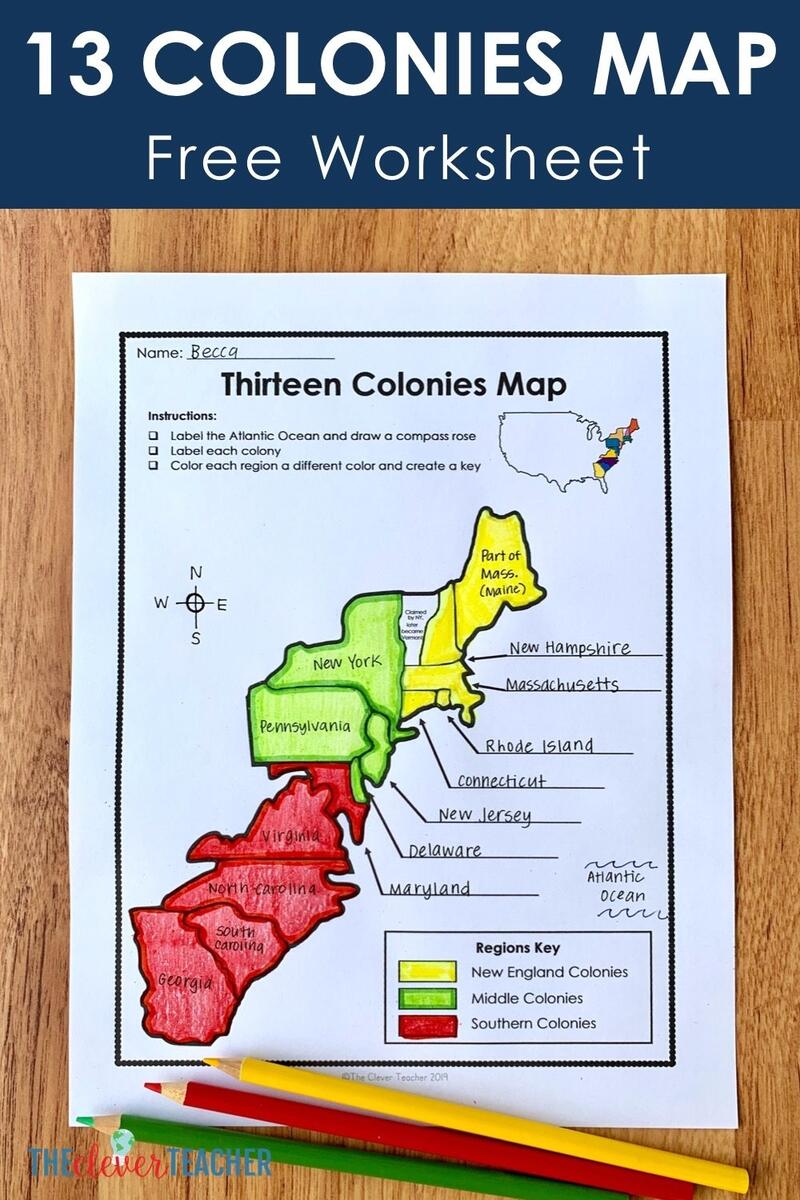
13 Colonies Free Map Worksheet And Lesson For Students