Kindergarten is a crucial time for children to develop their cognitive and motor skills. One of the fundamental concepts they learn during this period is shapes. Understanding shapes helps children recognize and identify objects, develop problem-solving skills, and improve their hand-eye coordination. Shapes exercises for kindergarten are designed to be engaging, interactive, and easy to understand, making learning a fun experience for young minds.
Shapes are all around us, and children are naturally curious about the world they live in. By introducing shapes exercises in kindergarten, you can help your child develop a strong foundation in math and geometry. These exercises can be incorporated into daily routines, such as playtime, art projects, or even mealtime. The key is to make learning fun and engaging, using everyday objects and activities to teach shapes concepts.
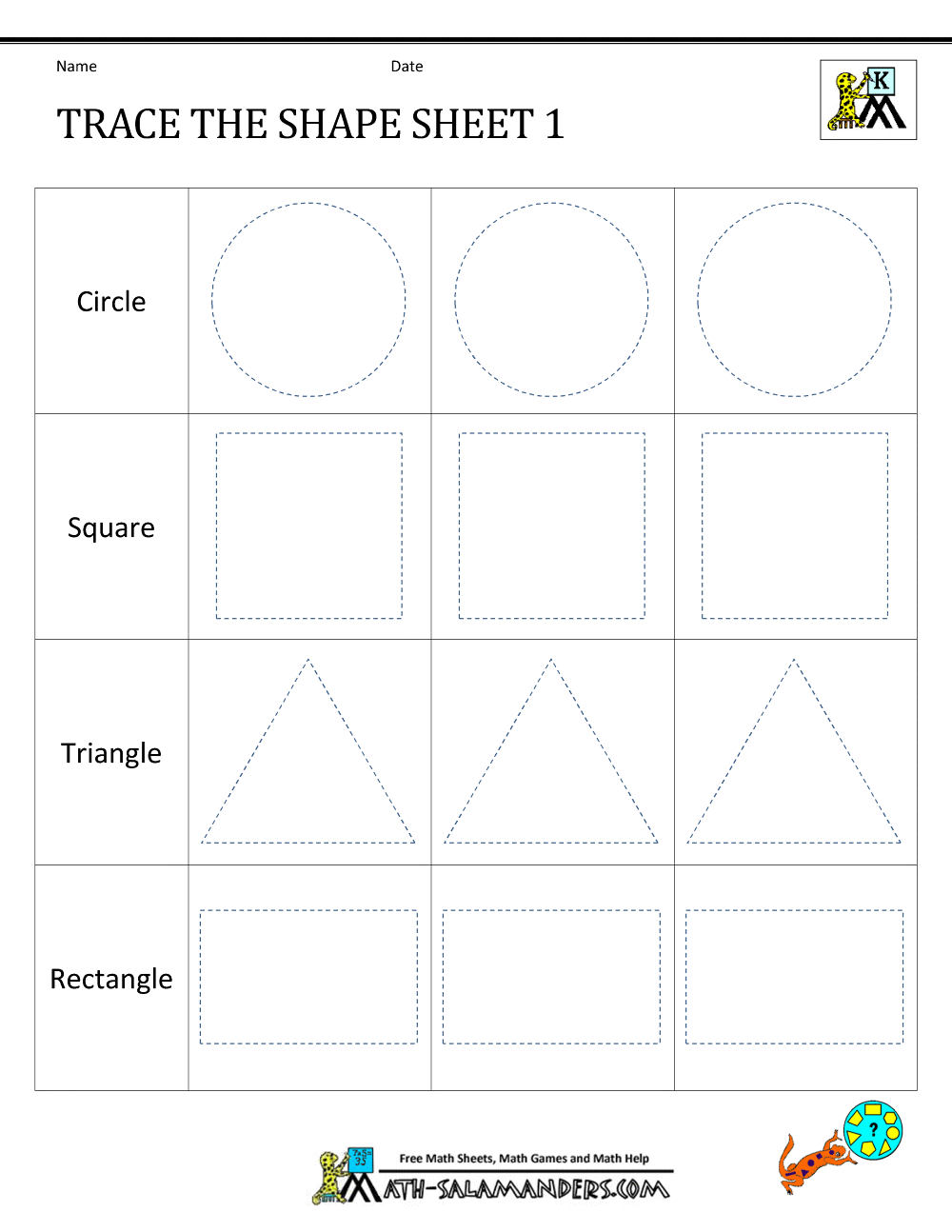
2d Shapes Worksheets
Introduction to Shapes
Introducing shapes to kindergarten children can be as simple as pointing out the shapes they see in their everyday lives. For example, a stop sign is an octagon, a coin is a circle, and a book is a rectangle. You can also use shape sorters, puzzles, and playsets to help children recognize and name different shapes. As children become more familiar with shapes, they can start to identify them in more complex objects, such as a house (rectangle) or a wheel (circle).
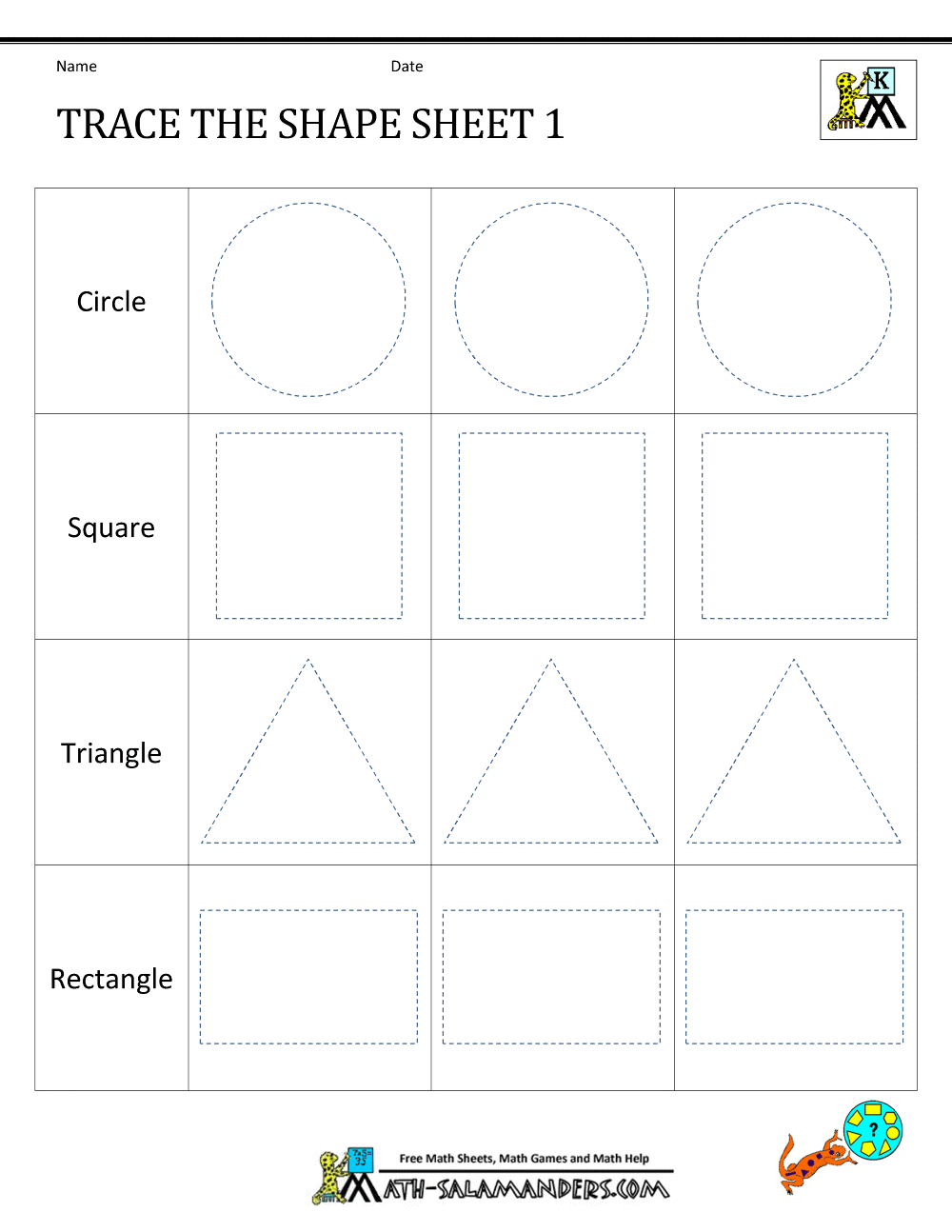
2d Shapes Worksheets
Recognizing and Naming Shapes
Recognizing and naming shapes is an essential skill for kindergarten children to develop. It helps them understand the relationship between objects and their environment. You can create a shapes scavenger hunt, where children have to find objects in the classroom or at home that match a specific shape. This activity encourages children to think critically and develop their problem-solving skills. You can also use flashcards or shape-matching games to make learning shapes a fun and interactive experience.
Creating Shapes with Everyday Objects
Creating shapes with everyday objects is a great way to encourage kindergarten children to think creatively and develop their fine motor skills. For example, you can use playdough to create different shapes, such as balls (spheres), rolls (cylinders), or flat shapes (circles, squares, etc.). You can also use everyday objects like blocks, LEGOs, or magnetic tiles to build and create shapes. This activity helps children develop their hand-eye coordination and understand how shapes fit together to form more complex objects.
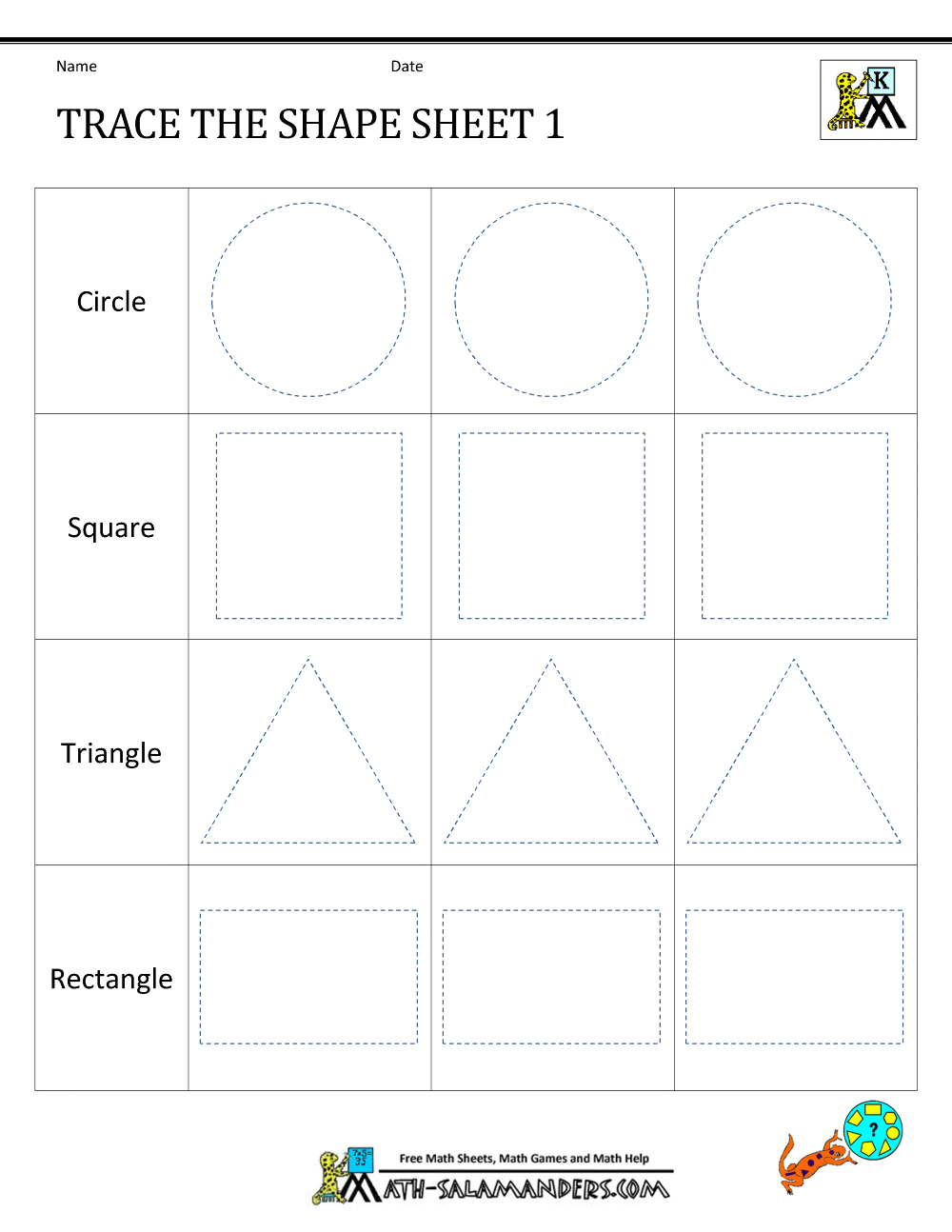
2d Shapes Worksheets
In conclusion, shapes exercises for kindergarten are an essential part of a child’s cognitive and motor skill development. By incorporating these exercises into daily routines and activities, you can help your child develop a strong foundation in math and geometry. Remember to make learning fun and engaging, using everyday objects and activities to teach shapes concepts. With patience, practice, and encouragement, your child will become proficient in recognizing and naming shapes, setting them up for success in their future academic endeavors.
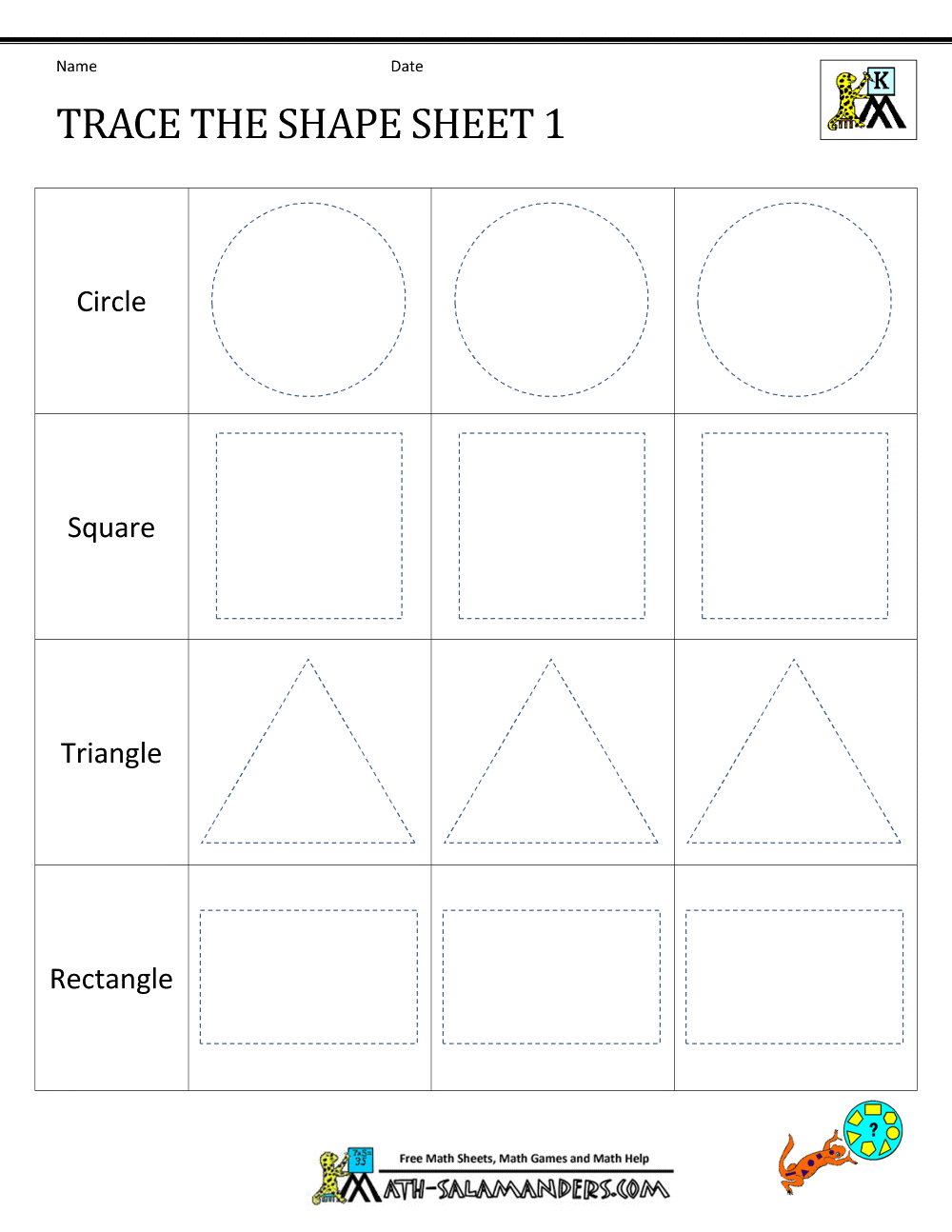
2d Shapes Worksheets
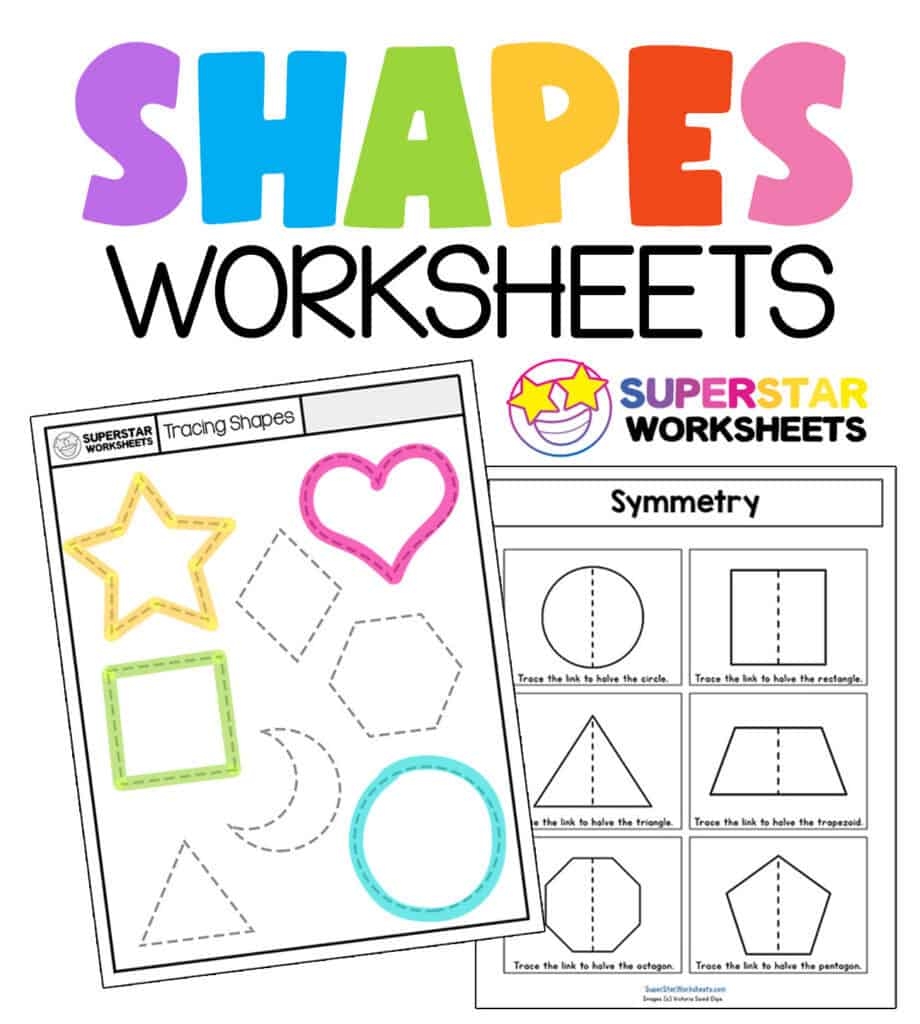
Shape Worksheets Superstar Worksheets